The Role of Physical Discipline in My Life
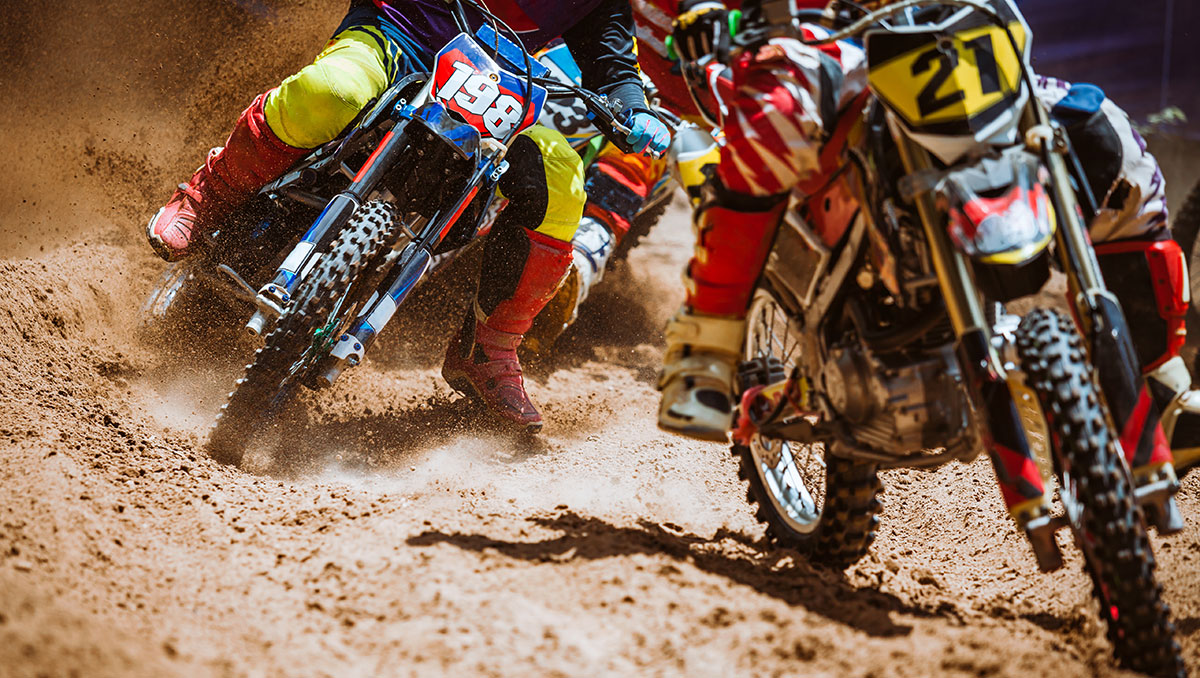
For as long as I can remember, physical discipline has been a central part of my life. Motocross and sport biking have challenged my body and mind in ways that few other activities can. Weightlifting has taught me patience, resilience, and the value of incremental progress. Over time, I have realized that the lessons learned through these physical pursuits translate directly into my work in emergency medicine. The demands of the emergency department are intense, and mental clarity under pressure can make the difference between a smooth intervention and a preventable mistake. Physical discipline provides the foundation for staying focused, composed, and effective when the stakes are high.
Lessons from Motocross
Motocross is a sport that demands constant attention and adaptability. Every track is unpredictable. Conditions change, jumps shift, and other riders make choices that affect the course. Success requires focus, quick reflexes, and the ability to anticipate the unexpected.
In the emergency department, the environment is similarly unpredictable. Patients arrive with a range of urgent conditions, and no two shifts are the same. Motocross has taught me to trust my instincts while remaining observant and methodical. It has reinforced the importance of preparation, including knowing my limits and respecting the limits of the system. These lessons are directly applicable to clinical decision making, where careful attention and adaptive thinking can impact patient outcomes.
The Discipline of Weightlifting
Weightlifting may seem different from riding a bike at high speed, but it reinforces many of the same principles. Consistency, patience, and gradual improvement are key. Progress comes in small, measurable steps rather than instant results. This perspective is valuable in medicine, where meaningful change often takes time, persistence, and attention to detail.
Weightlifting also builds mental toughness. Completing a challenging set or pushing past perceived limits requires focus and resilience. These skills carry over to the emergency department, where high-pressure situations demand clear thinking, sustained attention, and the ability to manage stress without losing composure.
Integrating Physical Discipline with Clinical Practice
Physical discipline has taught me more than strength and stamina. It has enhanced my ability to maintain mental clarity under pressure. In both motocross and weightlifting, stress is part of the process. The goal is not to eliminate stress but to manage it effectively. By training my body and mind together, I have learned to stay calm and deliberate in demanding situations.
In emergency medicine, this translates into better patient care. Whether managing multiple critical patients simultaneously or responding to a sudden change in a patient’s condition, the ability to maintain focus and act decisively is critical. Physical discipline helps me cultivate the mental resilience necessary to make sound decisions quickly.
Preparing for the Unexpected
Both riding and lifting require preparation. Checking equipment, warming up, reviewing technique, and anticipating challenges are essential steps before any activity. Similarly, in the ED, preparation is vital. Reviewing patient histories, understanding potential complications, and ensuring team coordination are all part of being ready for the unexpected.
Physical discipline reinforces the importance of preparation. It reminds me that readiness is not about avoiding risk entirely but about equipping myself and my team to respond effectively when situations change rapidly. This mindset fosters confidence and reduces hesitation when critical decisions are required.
Building Consistency and Habits
One of the most important lessons from my physical pursuits is the power of consistent habits. Daily or weekly commitment to riding, lifting, and fitness produces long-term benefits that are often invisible in the short term. Similarly, developing consistent clinical habits—following protocols, checking vital details, and communicating clearly—produces better outcomes over time.
Consistency also reduces cognitive fatigue. When certain actions become habitual, mental energy can be reserved for problem solving, critical thinking, and adapting to unexpected challenges. Physical discipline teaches that consistency is more important than occasional bursts of effort, and this principle applies equally to medicine.
Mental Resilience and Recovery
Physical discipline also emphasizes recovery. After an intense workout or a long ride, rest, nutrition, and reflection are necessary to strengthen the body and mind. In medicine, recovery is equally important. Reflecting on cases, debriefing after difficult situations, and taking time to reset are crucial for maintaining performance over a long career.
Physical activity helps me process stress and regain clarity. It provides a mental reset that allows me to approach the next patient or shift with renewed focus and energy. By integrating physical discipline into my routine, I maintain both the stamina and the mental resilience necessary for long-term success in emergency medicine.
Riding, lifting, and practicing medicine may seem like separate parts of my life, but they are deeply interconnected. Physical discipline teaches focus, patience, resilience, and adaptability, all of which enhance mental clarity under pressure. These lessons improve my ability to navigate the unpredictable and high-stakes environment of the emergency department.
By maintaining consistent physical training, preparing thoroughly, and respecting the importance of recovery, I have built a foundation for both personal health and professional effectiveness. Physical discipline is more than a hobby; it is a practice that shapes the way I think, respond, and care for patients every day.